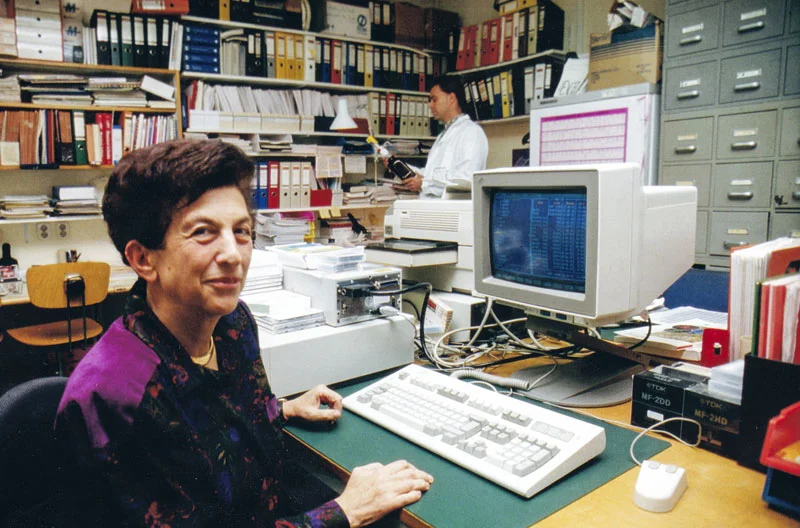
ITK, its history and its goal
A lucky coincidence
That Professor Martha Eibl became an immunologist was, as so often happens in life, a matter of chance. As a young physician, she wanted to deepen her knowledge in neurology and psychiatry at the New York University of Medicine. To bridge the waiting time for the promised position, she worked in the university’s pathology laboratory. There she met her long-time mentor, the future Nobel laureate Baruj Benaceraff. He so inspired her with immunology that she completed her training under his tutelage and acquired comprehensive knowledge in the field of immunology, at that time a young and relatively unknown science within medicine. This laid the foundation for her scientific career, in which a continuous and lively exchange at the international level played a central role.
After several years in New York, during which her eldest daughter was born in the USA, the physician, originally from Hungary, returned to Vienna and completed her specialist training in internal medicine at the Second Medical University Clinic under the direction of Prof. Dr. Karl Fellinger. He became her esteemed mentor and supported her in turning to clinical immunology. Following this training, she was able to combine scientific and clinical work and was appointed senior physician at the newly founded Institute of Immunology. In 1967, the institute was the first university research institution in the German-speaking world to be dedicated exclusively to immunological research.
Finally recognize immune deficiencies
As part of her work, she focused her interest on children with immunological diseases. She was consulted by various children’s hospitals, not only in Vienna but also in neighboring countries, for the diagnosis and treatment of often life-threatening immunological defects. These young patients had long been underserved. They were seriously ill and died without their illness being diagnosed or treated.
Primary immunodeficiencies are rare diseases and their diagnosis is correspondingly difficult. Even today, approximately 80% of those affected worldwide remain undiagnosed.
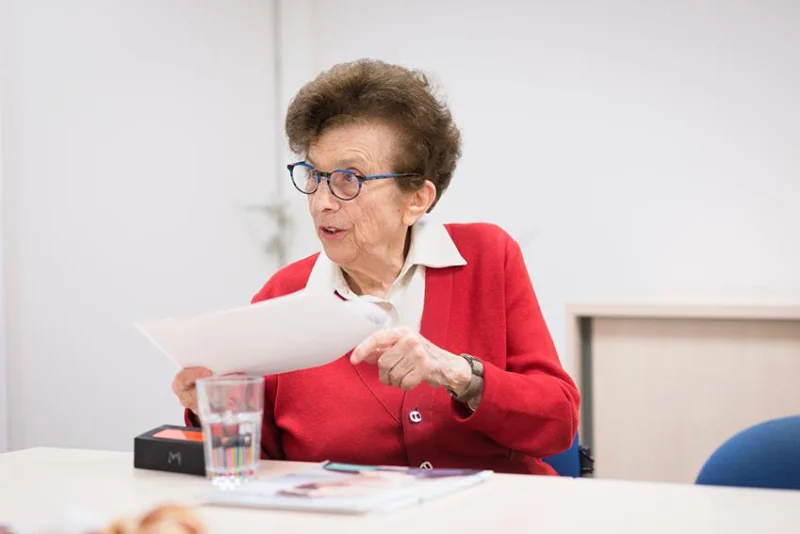
People are the focus
Research for the patients
An award for science and humanity
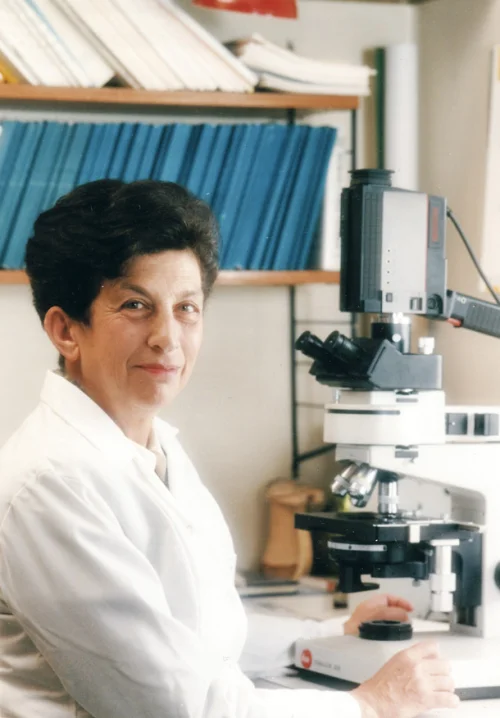
Professor Dr. Martha Eibl received numerous academic and state awards for her work throughout her life. In addition, she was awarded the Red Lily of Florence for her humanitarian work, a prize given for science and humanity.
We continue the legacy
In keeping with your wishes, we are continuing the legacy of the Immunological Day Clinic, and with a new team we are not only continuing this critical patient care, but also expanding our activities with new experts from various specialist fields.
Please feel free to contact us for further questions and information: office@itk.at
We are here for you and your patients!